Strong but Exhausted: Why Survival Mode Is Keeping So Many Women Stuck
Feb 09, 2026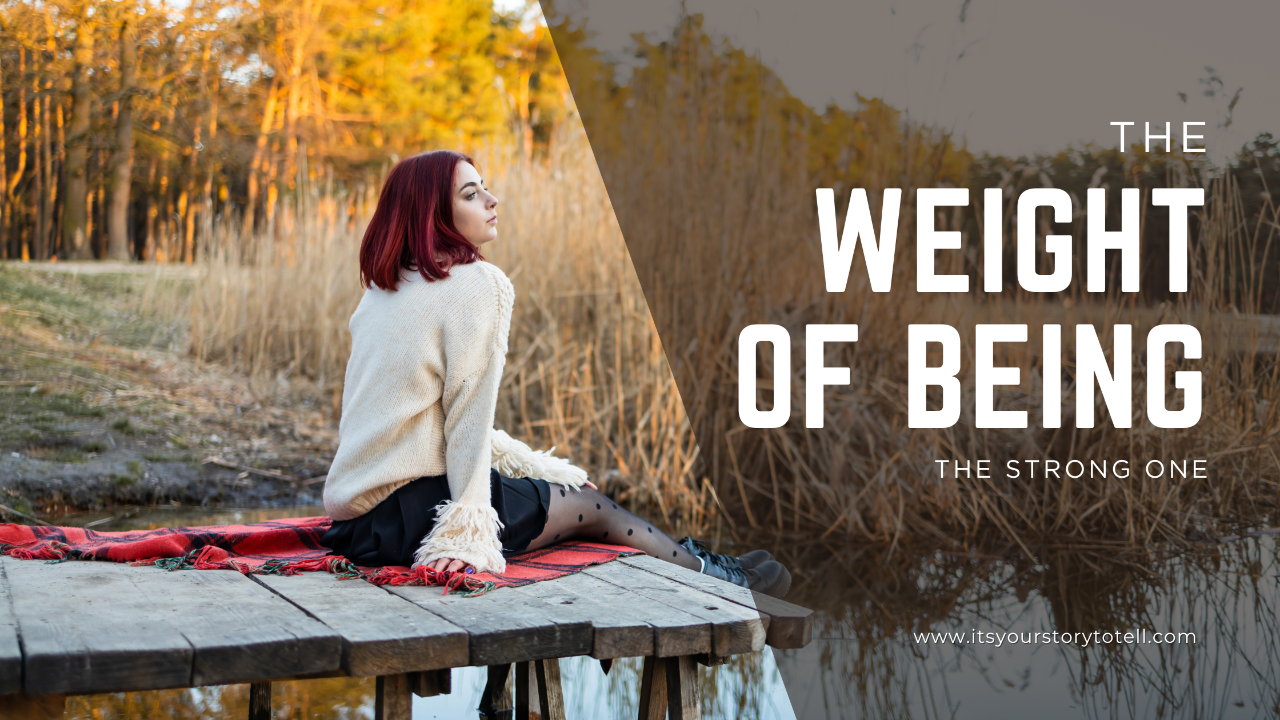
There’s a kind of strength many women wear like a badge of honor.
She’s the dependable one.
The capable one.
The one who doesn’t fall apart when things get hard.
The one everyone calls when there’s a crisis.
She gets praised for being “so strong.” And for a while, that praise feels good. It feels like identity. Like purpose. Like proof that all the hard things she’s walked through meant something.
But what if that strength… was born in survival?
And what if the very thing that helped you make it through is now the thing quietly keeping you from fully living?
When Strength Becomes Survival
For many women, “being strong” didn’t start as a personality trait.
It started as a necessity.
Maybe you were the peacemaker in your family.
Maybe you learned early not to cry, not to need, not to add to the stress.
Maybe you became responsible before you were ready because no one else could hold it all together.
So you did.
You handled things. You pushed through. You stayed quiet. You showed up for everyone else. And somewhere along the way, strength stopped meaning resilience and started meaning endurance.
Enduring uncomfortable relationships.
Enduring emotional loneliness.
Enduring leadership, parenting, and responsibility without real support.
Endurance becomes the goal: Just get through it. Don’t fall apart. Keep going.
But endurance, when it’s rooted in survival, always comes at a cost.
The Hidden Cost of Being “The Strong One”
Strength that grows from wholeness feels steady and life-giving.
Strength that grows from survival often feels tight, heavy, and exhausting.
It can look like:
- Being the responsible one in every room
- Minimizing your own needs because “others have it worse”
- Feeling uncomfortable receiving help or rest
- Equating self-sacrifice with love
- Believing your value comes from how much you can carry.
Over time, this kind of strength disconnects you from your own body and emotions. You become highly functional but internally depleted. Capable on the outside. Numb, anxious, or overwhelmed on the inside.
You might not even realize how much of your life has been built around endurance instead of safety.
Childhood Roles Don’t Stay in Childhood
Many of these patterns begin in early life, when being “strong” meant being safe.
If you grew up in an environment where emotions weren’t welcomed, where you had to be mature too soon, or where you learned to stay quiet to keep the peace, your nervous system adapted. It wired you for hyper-responsibility, emotional self-containment, and constant awareness of others’ needs.
Those roles helped you survive then.
But years later, they can show up as:
- Difficulty asking for help
- Guilt when you rest
- Anxiety when you’re not “doing”
- A deep discomfort with being cared for
- Burnout that feels normal
You may tell yourself, “This is just who I am. I’m just strong.”
But sometimes what we call strength is actually a well-practiced coping strategy.
The Turning Point: Awareness Without Blame
Healing doesn’t start with blaming your past.
It starts with understanding it.
When you begin to see that your “strength” was shaped by survival, something shifts. You stop judging yourself for being tired. You stop wondering why rest feels so uncomfortable. You start recognizing that your body and mind learned to operate this way for a reason.
Awareness brings compassion.
You realize:
Of course I learned to be this way.
Of course it’s hard to slow down.
Of course receiving feels unfamiliar.
And from that place of understanding, new choices become possible.
The Difference Between Enduring and Healing
Endurance says: Keep going no matter what.
Endurance says: Keep going no matter what.
Healing says: You don’t have to carry this alone anymore.
Endurance disconnects you from your needs.
Healing helps you listen to them.
Endurance leads to burnout, resentment, and emotional shutdown.
Healing leads to regulation, clarity, and sustainable strength.
When healing becomes the priority, strength gets redefined.
It’s no longer about how much you can hold.
It’s about how safe you feel in your own body.
It’s about being able to rest without fear.
It’s about receiving support without shame.
It’s about leading, parenting, and loving from wholeness instead of pressure.
That kind of strength doesn’t deplete you. It restores you.
What Changes When You Stop Surviving
When endurance is no longer the goal, everything begins to shift.
You start noticing your limits and honoring them.
You begin to express emotions instead of swallowing them.
You let safe people support you.
You learn that rest is not laziness it’s regulation.
You begin to trust yourself, not just manage everyone else.
Leadership looks different.
Parenting feels different.
Relationships feel different.
You move from constantly bracing… to gradually feeling safe.
And safety is where real strength is born.
Redefining Strength
True strength is not the absence of needs.
It’s the courage to acknowledge them.
It’s not white-knuckling your way through life.
It’s allowing yourself to be supported.
It’s not proving how much you can handle.
It’s knowing when to pause, feel, and receive.
For the woman who has always been “the strong one,” this can feel unfamiliar even scary. But on the other side of endurance is a version of you who is still capable, still dependable, still resilient… and no longer alone inside.
Ready to Stop Enduring and Start Living?
If this feels like you…
If you’re tired of being the strong one who secretly feels exhausted…
If you’re ready for a version of strength that actually supports your life instead of draining it…
Check out this week’s podcast.
In this two-part conversation, Amy Julia Becker shares her personal journey of moving from survival-based strength into a life shaped by healing, emotional safety, and a redefined identity.
Part 1 : When Strong Becomes Survival
Part 2 : When Your Child Walks Away
If you’ve been surviving for a long time, you are not behind you are just ready.
Start here. Press play.
Let this be the moment strength stops meaning “holding it all together” and starts meaning “finally feeling safe.”
View The Entire Collection
See all our blog posts to discover valuable insights and tools for navigating trauma and healing with guidance and support.