Understanding the Long Journey of Loss, Trauma, and Healing
Aug 09, 2026
“Why am I still grieving?”
If you’ve asked yourself that question months or even years after losing someone you love, you are not alone.
Many people expect grief to follow a predictable timeline. They believe that after enough months or perhaps a year they should feel like themselves again. But when the sadness still comes in waves, when holidays still hurt, or when a simple memory brings tears, they begin to wonder if something is wrong with them.
The truth is, grief isn’t something we simply “get over.” It is something we learn to carry as we slowly build a new life around the loss.
Whether you’ve lost a child, spouse, parent, sibling, close friend, or someone whose presence shaped your daily life, grief changes you. Healing isn’t about becoming who you were before the loss. It’s about discovering who you are becoming while carrying both love and loss.
Why Grief Lasts Longer Than Most People Expect
One of the greatest misconceptions about grief is that it has a deadline.
While the intensity of grief often changes over time, the love we have for someone doesn’t disappear. Because grief is connected to love, it makes sense that it can continue long after others expect us to have “moved on.”
Research has shown that significant grief often unfolds over years, not weeks or months. This doesn’t mean you’ll always feel the same intensity of pain. It means healing is a gradual process of learning to live with a loss that has permanently changed your life.
When Grief Is Complicated by Trauma
Sometimes loss is sudden.
Other times, it follows months or years of chronic stress, illness, caregiving, uncertainty, or watching someone suffer.
These experiences can leave us carrying not only grief but also trauma.
Trauma changes the way our nervous system responds to life. Even after the crisis has ended, our minds and bodies may remain in survival mode. This is why many grieving people describe feeling exhausted, anxious, numb, or unable to move forward.
Grief and trauma often travel together, and understanding that can bring tremendous relief.
The Hidden Losses We Don’t Talk About
When someone dies, we grieve far more than the person.
We grieve:
- The future we imagined.
- Family traditions that will never be the same.
- Roles and routines that gave our lives structure.
- The dreams we shared.
- The version of ourselves that existed before the loss.
These secondary losses are real, yet they often go unrecognized.
Acknowledging them is an important part of healing.
Faith Doesn’t Eliminate Grief
As Christians, we know our hope is in Christ.
Yet knowing the promises of God doesn’t prevent heartbreak.
Throughout Scripture we see faithful men and women lamenting, asking difficult questions, and crying out to God in their suffering.
Faith isn’t the absence of grief.
Faith is choosing to trust God’s presence while walking through it.
Healing Doesn’t Mean Forgetting
Healing isn’t measured by how rarely you cry.
It isn’t measured by how quickly you “move on.”
Healing is found in learning to carry your grief with compassion, allowing love to remain while gradually creating space for joy, purpose, and hope again.
You don’t stop loving someone because they’ve died.
Your relationship changes, but your love remains.
One Mother’s Story of Complex Grief
Every grief journey is unique.
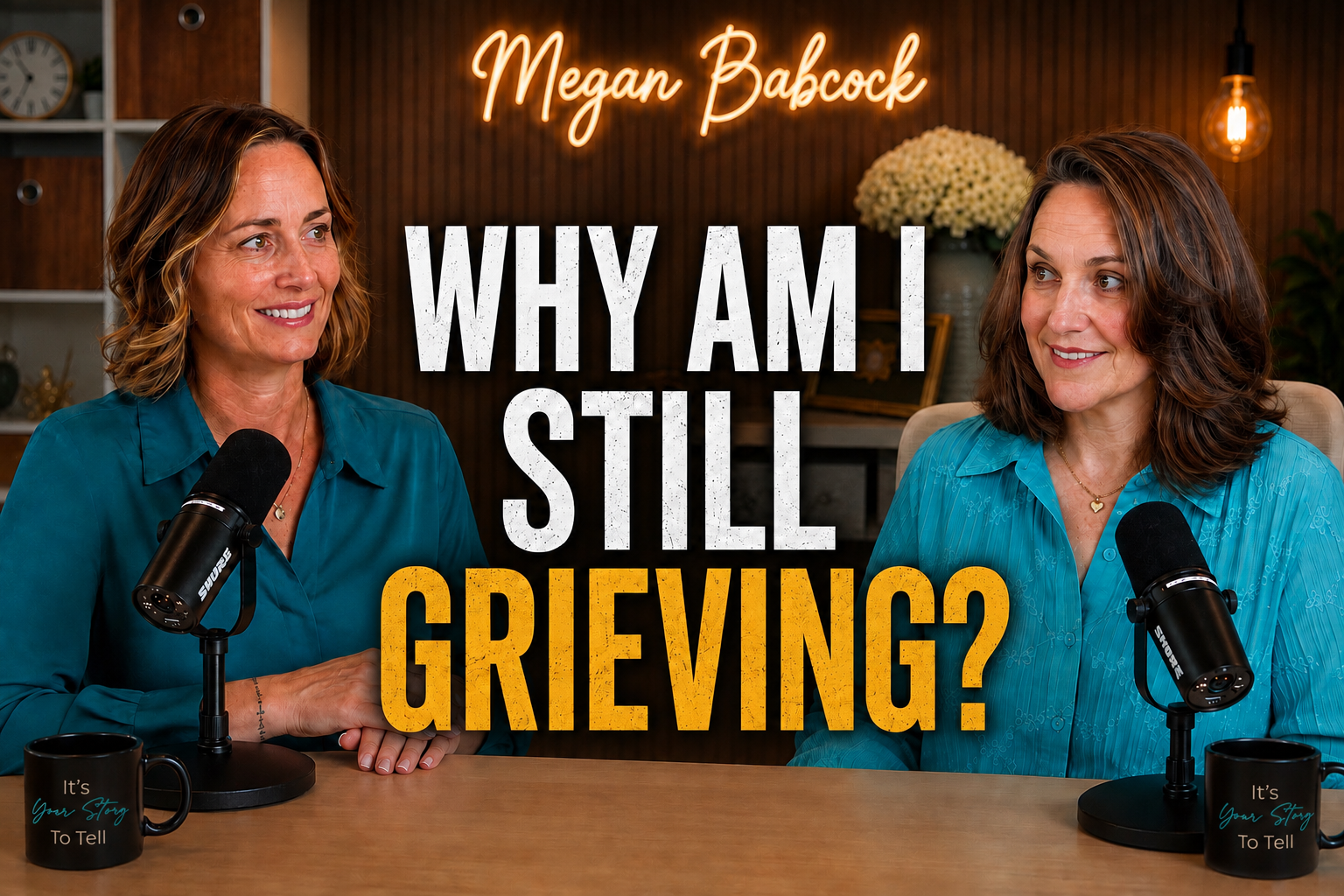
In our latest podcast, Paula Romang shares the deeply personal story of losing her twelve-year-old son, Matthew, after years of living with a severe seizure disorder.
For over a decade, Paula’s family lived with uncertainty, medical crises, and the emotional weight of caring for a child with complex needs. After Matthew’s death, she discovered that while she was grateful his suffering had ended, her own grief was only beginning.
Her story explores the intersection of prolonged caregiving, complex trauma, child loss, enduring faith, and the long road of healing. It is a powerful reminder that there is no “right” timeline for grief and that God continues to meet us, even when life has been forever changed.
You Are Not Alone
If your heart still aches, if tears still come unexpectedly, or if you’re wondering whether healing is possible, know this:
Your grief is not evidence that you’re failing. It is evidence that you have loved deeply.
And while the pain may change over time, you don’t have to walk this journey alone.
One of the most important decisions you can make in your healing journey is choosing who you allow to walk alongside you. While many people genuinely care, not everyone understands the complexity of grief. Friends and family often want to ease your pain, but without personal experience or training in grief, they may unintentionally say things that leave you feeling misunderstood, isolated, or as though you should be further along in your healing.
When this happens repeatedly, the loneliness of grief can be compounded by the pain of feeling unseen. Some refer to this as secondary wounding the additional hurt that occurs when our grief is minimized, misunderstood, or met with unrealistic expectations. While these moments are often unintentional, they can make it more difficult to process loss and can leave us hesitant to share our hearts again.
This is why safe community matters.
Look for people who are willing to listen more than they speak. People who don’t try to fix your pain or rush your healing. People who can sit with your sorrow without feeling the need to explain it away. Whether that’s a trusted friend, a pastor who understands grief, a grief support group, or a counselor trained in grief and trauma, healing is often strengthened in relationships where your story is received with compassion rather than judgment.
Scripture reminds us to “weep with those who weep” (Romans 12:15) and to “carry each other’s burdens” (Galatians 6:2). Notice that we are not instructed to remove another person’s grief or hurry them through it. We are invited to be present, to love faithfully, and to carry hope together.
If you are walking through grief today, don’t be afraid to reach for that kind of community. Healing doesn’t happen because someone finally says the perfect words. More often, it grows through the steady presence of God and the faithful presence of people who are willing to walk beside you for as long as the journey takes.
Your story has been changed by loss, but it is not over. Even in your deepest sorrow, God is still present, still faithful, and still writing a story of hope, redemption, and love.
Reflection Questions
- Have I been judging my grief against someone else’s timeline?
- What losses beyond the death itself am I grieving?
- Where have I experienced God’s presence in my pain?
- What would it look like to offer myself the same compassion God offers me today?
View The Entire Collection
See all our blog posts to discover valuable insights and tools for navigating trauma and healing with guidance and support.