Kill Complacency Before It Costs You the Life You Actually Want
May 18, 2026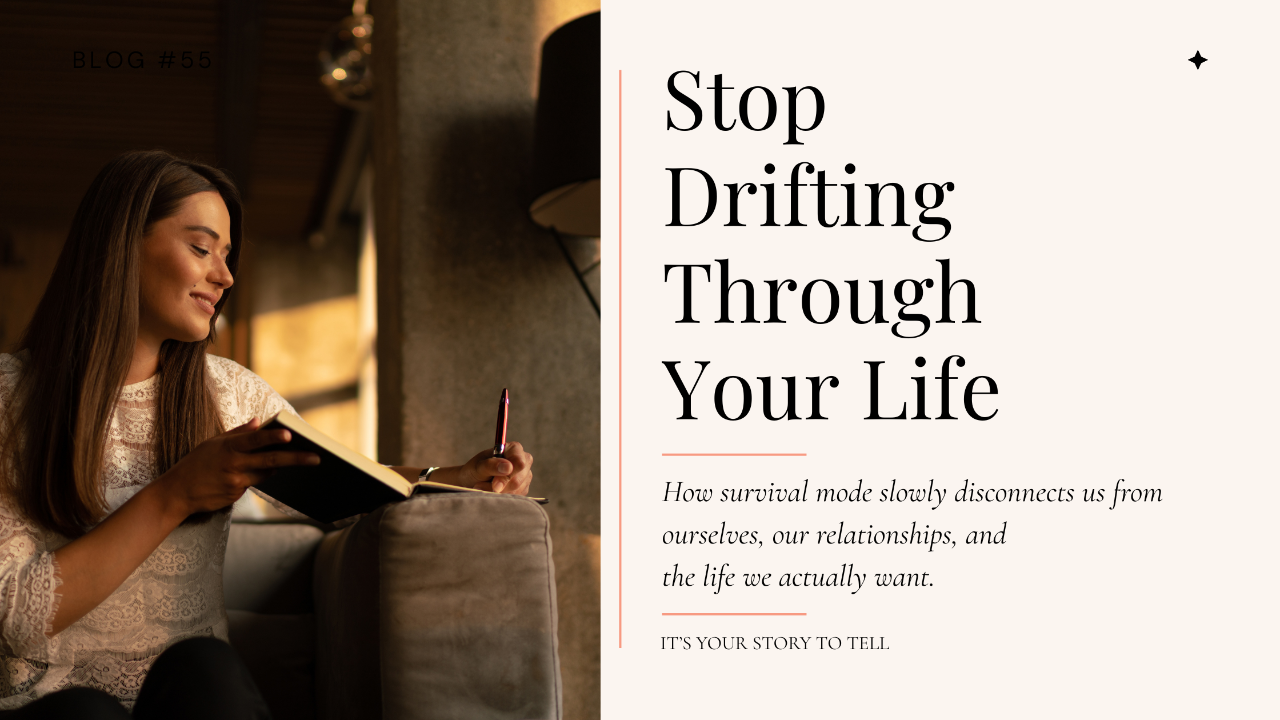
There’s a kind of exhaustion that doesn’t come from doing nothing. It comes from doing everything.
You wake up early.
You answer the emails.
You provide for your family.
You build the business.
You take care of responsibilities.
You keep moving.
From the outside, your life may even look successful. But underneath it all, something feels off.
You feel disconnected from yourself.
Disconnected from the people you love.
Disconnected from joy.
Disconnected from the life you thought all this hard work was supposed to create.
And because you’re still functioning, still producing, still showing up… you don’t immediately recognize the problem.
That’s what makes complacency so dangerous. It rarely announces itself loudly. It doesn’t usually show up as someone completely giving up on life.
More often, it looks like drift.
Quiet drift.
Slow drift.
A gradual movement away from intentionality, connection, and presence.
That’s why my recent conversation with Marty Hofmann on the It’s Your Story to Tell podcast impacted me so deeply. As we talked about marriage, parenting, entrepreneurship, emotional patterns, and healing, I realized how many people are living in this exact place without even knowing it.
Not because they’re bad people.
Not because they don’t love their family.
Not because they lack ambition.
But because somewhere along the way, survival replaced intentional living.
The Kind of Complacency Nobody Talks About
When most people hear the word complacency, they imagine laziness.
A lack of motivation.
A lack of discipline.
Someone refusing to grow.
But the complacency Marty described felt very different.
It looked like working hard.
Providing well.
Building businesses.
Taking care of responsibilities.
And yet still missing the very thing that mattered most: connection.
As he shared his story, he talked about growing up as one of ten children on a farm in Iowa.
His parents stayed married. They worked hard. They did the best they could with what they had. But like many families, survival often took priority over emotional connection.
There wasn’t much room for feelings.
There wasn’t much language for emotional processing.
You pushed through.
You kept going.
You worked harder.
I think so many people from previous generations learned this pattern. And honestly, many of us carried it directly into adulthood without realizing it. We learned how to function. But not always how to connect. And if we aren’t careful, we recreate those same dynamics in our marriages, our parenting, and even our businesses.
“I’ve Been Thinking About Leaving”
One of the most powerful moments in our conversation came when Marty shared a conversation his wife had with him after years of emotional disconnect. He had been traveling often for work. Providing. Building. Staying busy.
And from his perspective, he was doing what a good husband and father should do. But one evening, his wife asked him to go for a walk. And during that walk, she told him something he wasn’t expecting to hear: “I’ve been thinking about leaving.”
Not because she didn’t love him.
Not because there was some dramatic betrayal.
But because she no longer felt emotionally connected to him.
And honestly, I think moments like that become crossroads in people’s lives. Because when someone we love brings us painful feedback, we usually move in one of two directions: We become defensive. Or we become curious.
That doesn’t mean feedback is easy to hear. In fact, most of the time, painful feedback activates something much deeper inside us.
Fear.
Shame.
Failure.
Rejection.
Not feeling good enough.
And if we never learned how to sit with those emotions, our instinct becomes protection instead of connection.
We defend.
We justify.
We shut down.
We avoid.
But what struck me most about Marty’s story was his willingness to hear what his wife was actually saying beneath the words.
She wasn’t asking for more money.
She wasn’t asking for perfection.
She was asking for presence.
The Lie That Productivity Equals Love
As we talked, I found myself reflecting on how many of us unconsciously believe that love is proven through performance.
If I work harder…
provide more…
achieve enough…
keep everything together…
then the people around me will feel loved.
But emotional connection cannot be replaced by productivity. And honestly, many of us learned this dynamic early in life. I know I did.
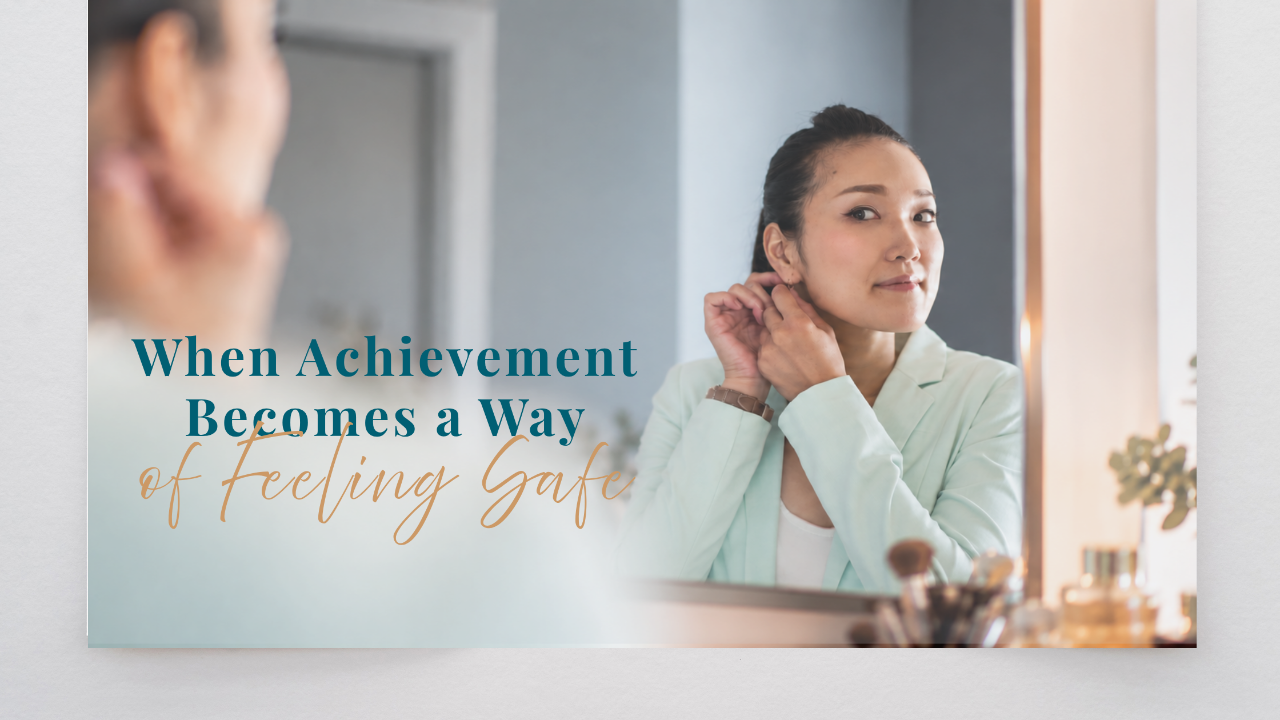
Perfectionism became one of my coping mechanisms. Achievement became a way to feel valuable, safe, and connected. If I could just do enough, accomplish enough, or appear “together enough,” maybe I would finally feel worthy.
The problem is that eventually, maintaining the image becomes exhausting. Your body knows the truth even when your life looks polished from the outside.
You can be successful and still feel deeply lonely.
You can be high-achieving and emotionally disconnected.
You can be surrounded by people and still feel unseen.
And if we don’t stop long enough to become curious about why we’re operating this way, we just keep repeating the same cycles.
That’s why intentionality matters so much.
Awareness Is the Beginning of Change
One of the things I appreciated most about this conversation was that it wasn’t about shame.
It wasn’t about blaming parents.
Blaming spouses.
Blaming ourselves.
It was about awareness.
Because most people are doing the best they know how to do with the tools they currently have. But when you know better, you can begin to do better. That doesn’t mean change happens overnight. It happens through small moments of intentionality.
A conversation.
An apology.
A walk together.
A date night.
A moment of honesty.
Turning toward someone instead of away from them.
Marty shared how he and his wife began rebuilding connection intentionally:
- regular date nights
- reading books together
- attending marriage conferences
- becoming more emotionally present
- restructuring priorities
Not because they suddenly became perfect. But because they stopped drifting. And honestly, that phrase stayed with me long after our conversation ended.
Stop drifting. Because drift is subtle.
Nobody wakes up one day and decides:
“I want to disconnect from my spouse.”
“I want to emotionally distance myself from my kids.”
“I want to lose myself in work.”
“I want to stop enjoying my life.”
It happens slowly.
One ignored conversation at a time.
One avoided feeling at a time.
One distraction at a time.
Until eventually, you wake up and realize you’ve built a life that functions… but no longer feels aligned.
The Courage to Change Direction
One of the most hopeful parts of this conversation was the reminder that it’s never too late to change direction.
You are not disqualified because you drifted.
You are not beyond repair because you became disconnected.
Awareness creates opportunity.
And healing often starts with something incredibly simple: Honesty.
“This isn’t working anymore.”
“I miss connection.”
“I don’t want to keep living this way.”
“I want something deeper.”
“I want to be present again.”
Not from shame. But from desire. Because underneath all the coping, all the busyness, all the striving, most people are simply longing to feel connected again.
Connected to themselves.
Connected to others.
Connected to purpose.
Connected to God.
And intentionality is what helps us find our way back.
Watch the Podcast Episode
My conversation with Marty Hofmann was honest, vulnerable, practical, and deeply encouraging. We talked about marriage, emotional disconnect, entrepreneurship, parenting, childhood patterns, emotional awareness, and what it truly means to kill complacency before it costs you the life you actually want.
If you’ve been feeling stuck, emotionally disconnected, overwhelmed, or like you’ve slowly drifted away from the person you want to be, I believe this conversation will encourage you.
Watch Part 1 and Part 2 of the episode on It’s Your Story to Tell. (Click the links below)
Part 1 : The Drift that Quietly Pulls You Away from the Life You Want
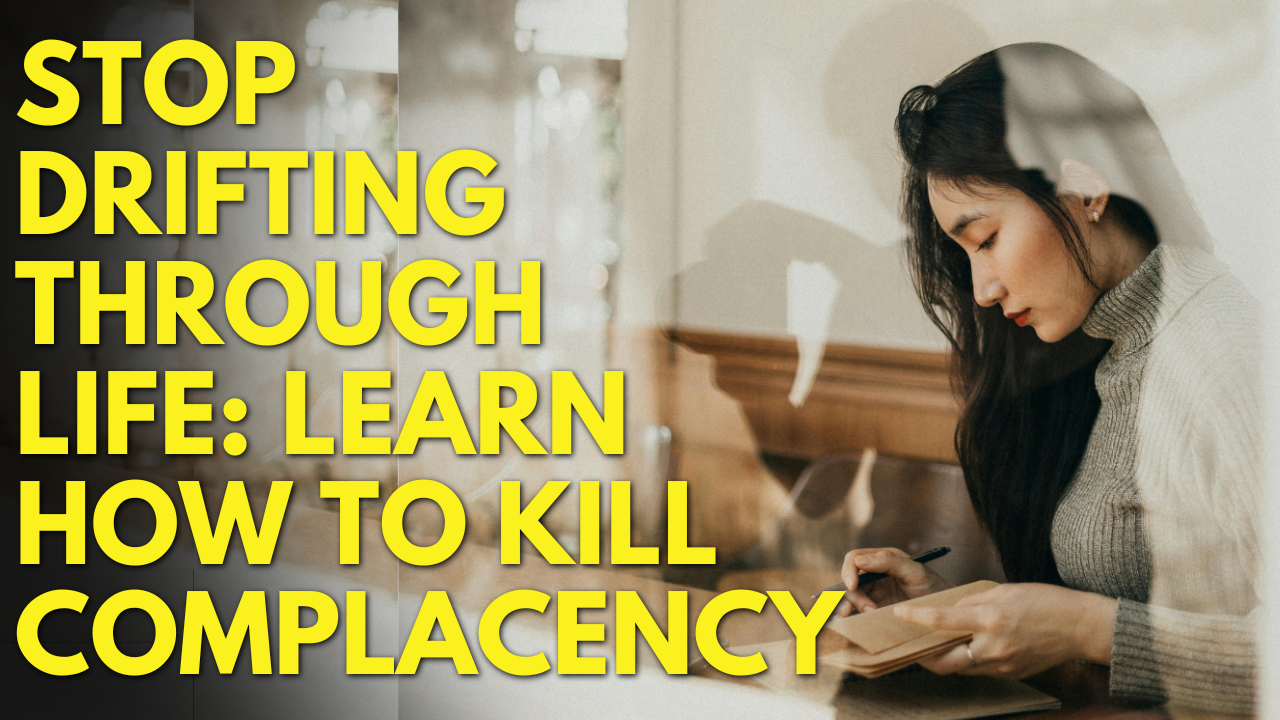
Part 2 : How Intentionally Living Changes Your Marriage, Business, and Legacy
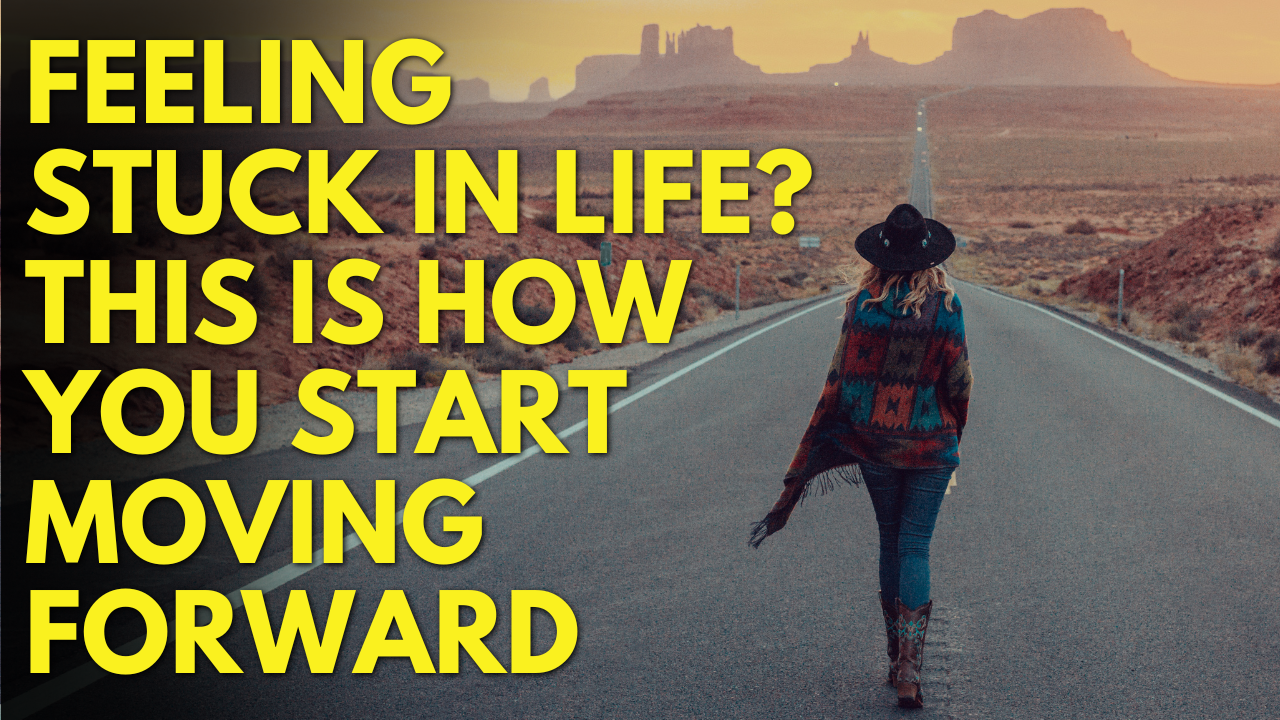
Because your life was never meant to be lived on autopilot. And maybe today is the day you stop drifting and start becoming intentional again.
View The Entire Collection
See all our blog posts to discover valuable insights and tools for navigating trauma and healing with guidance and support.