How to Calm Overwhelming Emotions and Find Support When You Feel Out of Control
Apr 27, 2026
Feeling overwhelmed or out of control? Learn Dialectical Behavior Therapy (DBT) skills to calm your nervous system, find support, and take the next step toward healing.
When Your Emotions Feel Too Intense to Handle
There are moments when everything inside you feels loud.
Your thoughts won’t slow down.
Your body feels tense or restless.
Your chest feels tight or heavy.
You can’t seem to settle, no matter what you try.
And in those moments, it’s not always clear what’s happening. You may not have a label for it or even understand why it’s happening.
You just know it feels like too much. If that’s you, what you’re feeling is not random. It’s your nervous system responding to something that feels like too much to handle alone. And there is a way to support yourself through i and we what to help you learn...
- how to calm down quickly
- what to do when overwhelmed
- how to stop racing thoughts
- why your body won’t relax
Maria’s Story Reflects What Many Experience but Don’t Say Out Loud
In this week's podcast episode, Maria Morgan shares what many people silently experience. Her story didn’t begin with clear answers. It began in her body.
As a child, she experienced stomach aches, difficulty sleeping, and a sense that something wasn’t right but she didn’t have words for it. After a car accident, those internal sensations intensified, and her body began holding onto stress and fear she couldn’t fully process at the time.
As life continued, more pressure was added:
- caregiving responsibilities
- emotional strain in relationships
- internal comparison and self-doubt
From the outside, she kept showing up. But internally, things were getting heavier. Over time, the weight became overwhelming.
Her thoughts became darker.
Hope felt harder to access.
And she reached a point where she didn’t know how to move forward.
This is why mental health awareness matters not just in May but all year round. Because these experiences are more common than people realize. And they don’t mean something is wrong with you. They mean something needs support.
Listen to part 1, as Maria shares her experience with anxiety, suicidal ideation, and 2 suicide attempts and continue to part 2 where she shares the hope, she found and how it led her to a path forward and is now using her story to make a difference in the lives of others stuck in darkness.
Part 1 : How Anxiety, Depression & Suicide Led to healing and Hope
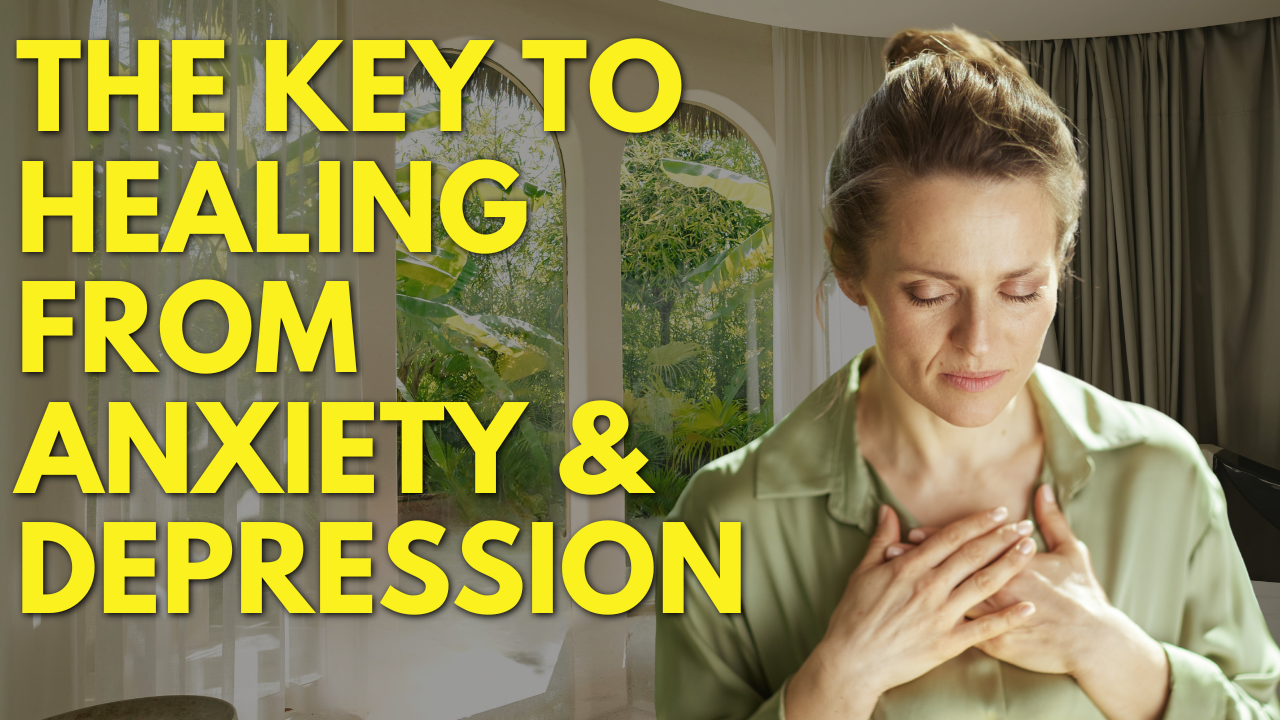
Part 2 : Overcoming the Darkness
Some Things You Need to Know if You Are Walking Through Intense Emotions and Overwhelm
When You Feel Like You Can’t Do This Alone
If you are in a moment where your thoughts feel overwhelming or unsafe, support is available right now. The 988 Suicide & Crisis Lifeline is available 24/7. You can call or text 988.
You don’t have to have the right words.
You don’t have to wait until it gets worse.
You just have to take one step toward support.
Why You Can’t Think Clearly in These Moments
When your emotions spike, your nervous system shifts into survival mode. Your body is trying to protect you. In this state:
- your thinking slows down
- your reactions speed up
- everything feels more urgent
In this moment, your body is leading not your logic. So instead of trying to force yourself to think differently, the first step is to support your nervous system.
How Dialectical Behavior Therapy (DBT) Skills Help You Break the Cycle
These skills are designed to help you regulate intense emotions, calm your body, and respond with clarity instead of reaction. At the core of DBT is dialectical thinking the ability to hold two truths at once:
“This feels overwhelming and I can take one small step.”
“I don’t know what to do and I am not alone in this.”
This shifts you out of extremes and creates space for regulation.
When Emotions Are High Start with Distress Tolerance
When your system is activated, you cannot process everything. The goal is to interrupt the intensity. This is where distress tolerance one category of Dialectical Behavior Therapy (DBT) skills comes in.
These are the tools you use when:
- emotions feel overwhelming
- your body is on high alert
- you need immediate relief
Dialectical Behavior Therapy (DBT) Skills to Stabilize First
These distress tolerance skills become essential and will help you:
- pause instead of react
- lower emotional intensity
- stay present without shutting down
Think of them as the bridge between overwhelm and clarity.
The STOP Skill Helps You Pause Before Reacting
When everything inside you wants to react, the STOP skill gives you space.
S – Stop
Pause. Do not move forward in the emotion.
T – Take a step back
Physically or mentally step away. Breathe.
O – Observe
Notice what is happening:
- What am I feeling?
- What thoughts are coming up?
- What is happening in my body?
P – Proceed mindfully
Choose your next step with intention not reaction.
This single skill can prevent you from escalating a moment you may later regret.
Distract with ACCEPTS When the Intensity Feels Too Strong
Sometimes the emotion is too big to sit with right away. That’s when ACCEPTS helps you create space.
A – Activities
Do something simple like walking, cleaning, or organizing.
C – Contributing
Help someone else. It shifts your focus outward.
C – Comparisons
Remind yourself of times you’ve made it through hard moments.
E – Emotions
Watch or listen to something that creates a different emotion.
P – Pushing away
Temporarily set the situation aside.
T – Thoughts
Count, read, or focus on something mentally engaging.
S – Sensations
Hold ice, take a cold shower, or use strong sensory input.
This is not avoidance. It is intentional redirection so your system can settle.
Self Soothe Helps Your Body Feel Safe Again
When your nervous system is overwhelmed, it needs cues of safety. Self-soothing uses your senses to calm your body.
- Sight: soft lighting, calming visuals
- Sound: music, quiet, or nature sounds
- Touch: a blanket, warm shower, grounding objects
- Smell: essential oils or familiar scents
- Taste: something warm or comforting
This is about sending your body the message: “You are safe right now.”
Connecting to Self-Compassion Changes How You Experience the Moment
As your body begins to settle, how you respond to yourself matters. Research from Kristin Neff shows that self-compassion reduces emotional distress and increases resilience. But in intense moments, self-compassion is not just a thought. It’s something you practice in your body.
DBT Self Compassion Practices to Regulate Your Nervous System
- Willing Hands: Rest your hands open, palms up. This posture signals openness and acceptance, instead of resistance.
- Half Smile: Gently soften your face into a slight smile. Not forced. Just enough to relax your facial muscles. This sends feedback to your brain that you are safe.
- Turn the Mind: This is the moment you choose. “I could stay stuck in this spiral…or I can gently bring myself back.”
- Why These Skills Matter
And you may have to do these again and again. That’s normal. These are not a one-time decision. It’s a practice.
When you combine:
- STOP
- ACCEPTS
- Self-soothing
- Self-compassion practices
You are doing something powerful.
- interrupting the fight-or-flight response
- calming your nervous system
- creating space between feeling and reaction
And that space is where healing begins.
You Don’t Have to Do This Perfectly
These skills are not about getting it right. They are about staying with yourself in the moment instead of abandoning yourself in overwhelm. Even using one of these tools is a step forward.
Resources to Help You Regulate and Heal
If you’re ready to go deeper
Read Hope Ignited by Maria Morgan Get Your Copy
Get a Self Directed DBT Skills Workbook to learn how to regulate intense emotions and create lasting change Purchase Here
Keep Coming Back This Month During Mental Health Awareness for Insights & Tools
Throughout this month, we will continue sharing insights and actions you can take to empower your mental wellness:
- calm your nervous system
- understand your emotions
- build stability and clarity
You don’t have to figure everything out today. Just take any step forward.
View The Entire Collection
See all our blog posts to discover valuable insights and tools for navigating trauma and healing with guidance and support.