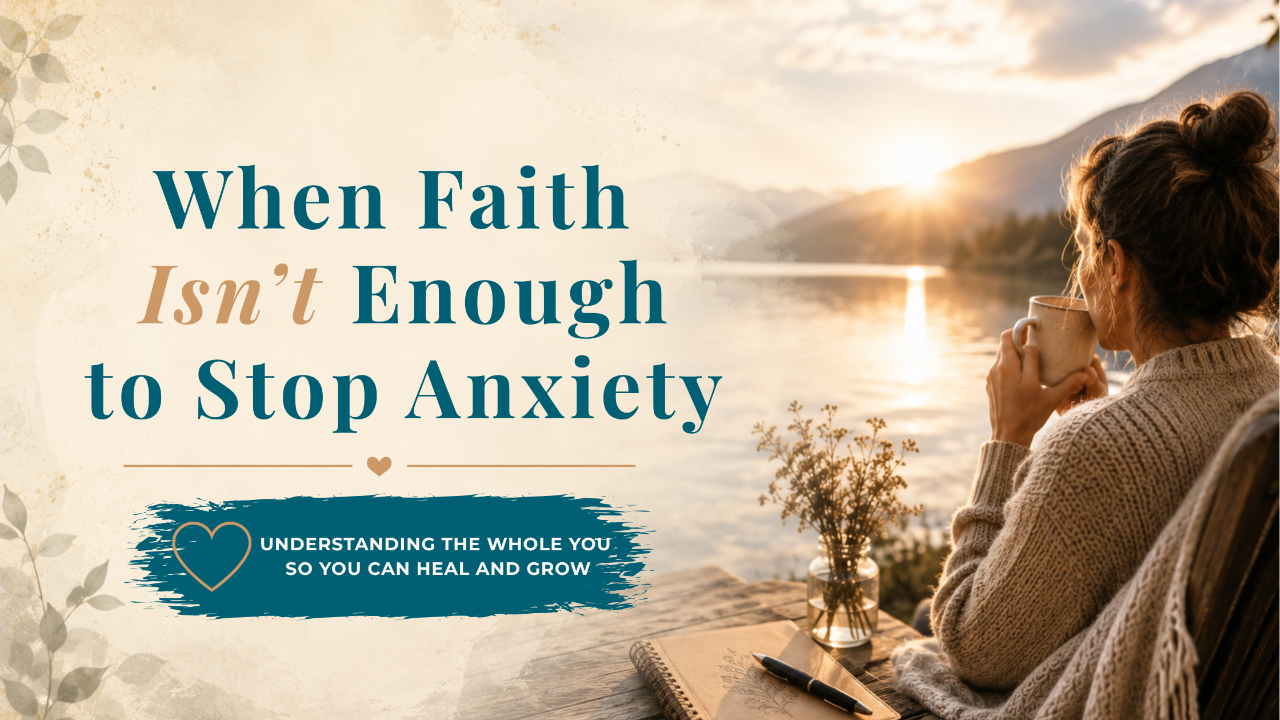
How to Heal from Trauma, Grief, and Emotional Pain
Aug 03, 2026
Trauma, grief, and emotional pain have a way of changing how we see ourselves, others, and even God. Whether you've experienced childhood trauma, emotional abuse, rejection, illness, or unexpected loss, those experiences can quietly shape your thoughts, relationships, and daily decisions long after the event has passed.
The good news is that healing is possible.
Healing doesn't mean pretending the pain never happened. It means learning how to understand your story, develop emotional resilience, renew your mind, and move forward with hope.
How Childhood Trauma and Emotional Wounds Continue to Affect Us
When people hear the word trauma, they often think of catastrophic events. But trauma can also result from ongoing experiences like emotional neglect, rejection, criticism, unhealthy relationships, chronic stress, or growing up without emotional safety.
These experiences often create beliefs that quietly influence our lives:
- I'm not enough.
- I have to earn love.
- My needs don't matter.
- I must keep everyone happy.
- I have to stay in control to feel safe.
These beliefs aren't character flaws. They're often survival strategies our brains developed to help us navigate difficult circumstances.
While these patterns may have protected us at one time, they can later create challenges in marriage, parenting, leadership, friendships, and our relationship with God.
The encouraging truth is that what helped you survive doesn't have to determine how you live today.
Why Healing Isn't a One-Time Event
Many people believe that once they've been through counseling, coaching, or a season of healing, life should become easier.
But healing isn't a finish line.
Even after tremendous growth, life may bring unexpected challenges a health diagnosis, grief, loss, relationship struggles, career changes, or disappointments that reopen old emotions.
This doesn't mean you've failed. More often, it means you've entered another opportunity to grow. Healing often happens in layers, increasing our emotional capacity, resilience, and trust over time.
Can Grief and Gratitude Exist Together?
One of the most freeing realizations in emotional healing is understanding that grief and gratitude are not opposites.
You can be thankful for God's faithfulness while grieving what you've lost.
You can trust Him while still asking difficult questions.
You can celebrate healing while acknowledging the pain that brought you there.
Suppressing emotions doesn't strengthen faith.
Learning to process them honestly often does.
The Power of Your Beliefs
One of the greatest influences on emotional health isn't simply what happened to us it's what we began believing because of what happened.
A painful experience may lead someone to believe:
- People aren't safe.
- I'll always be rejected.
- God has forgotten me.
- I'll never change.
- I'm too broken to heal.
Over time, these beliefs become the lens through which we interpret every relationship and every challenge.
Healing begins when we replace self-criticism with curiosity.
Instead of asking, "What's wrong with me?"
begin asking, "What happened that led me to believe this?"
Curiosity creates space for compassion, truth, and transformation.
Healing the Brain and Nervous System After Trauma
Trauma affects more than our memories, it also impacts the brain and nervous system.
When our nervous system has learned to stay in survival mode, we may become more reactive, anxious, emotionally overwhelmed, or constantly on guard.
Developing awareness of these patterns allows us to respond differently.
As we practice emotional regulation, healthy relationships, prayer, reflection, and renewing our minds, we begin creating new neural pathways that support lasting healing.
Healing isn't about becoming perfect. It's about increasing our capacity to respond intentionally instead of reacting automatically.

Five Practical Steps to Begin Your Healing Journey
1. Become Curious Instead of Critical
Notice your emotional reactions without judging yourself.
Ask:
- What am I feeling?
- What triggered this response?
- What need might be underneath this emotion?
Curiosity builds self-awareness.
2. Identify the Beliefs Behind Your Emotions
Our emotions often point toward deeper beliefs.
Ask yourself:
- What am I believing about myself?
- What am I believing about others?
- What am I believing about God?
Then compare those beliefs with truth.
3. Give Yourself Permission to Grieve
Grief isn't limited to death.
We also grieve broken relationships, lost dreams, missed opportunities, health challenges, and seasons of life that didn't unfold as we expected.
Allow yourself space to acknowledge both the loss and the hope that still remains.
4. Don't Heal Alone
Healing happens best in safe relationships.
Whether it's a trusted friend, coach, mentor, counselor, or support community, inviting healthy people into your journey can accelerate growth and reduce isolation.
5. Remember That Healing Is Growth, Not Perfection
Old emotions resurfacing doesn't mean you're back where you started.
Often, it means you've developed enough capacity to heal another layer.
Growth is rarely linear.
Every step forward matters.
There Is Hope After Trauma
Whether you're navigating childhood trauma, grief, emotional pain, anxiety, relationship challenges, or simply wondering why certain patterns continue showing up in your life, remember this:
Your past may explain your story, but it does not have to define your future.
Healing is possible.
Not because life suddenly becomes easy, but because God faithfully walks with us through every season, transforming us one step at a time.
As we grow in self-awareness, emotional resilience, healthy relationships, and faith, we discover that the hardest chapters of our lives can become the very stories that bring hope to someone else.
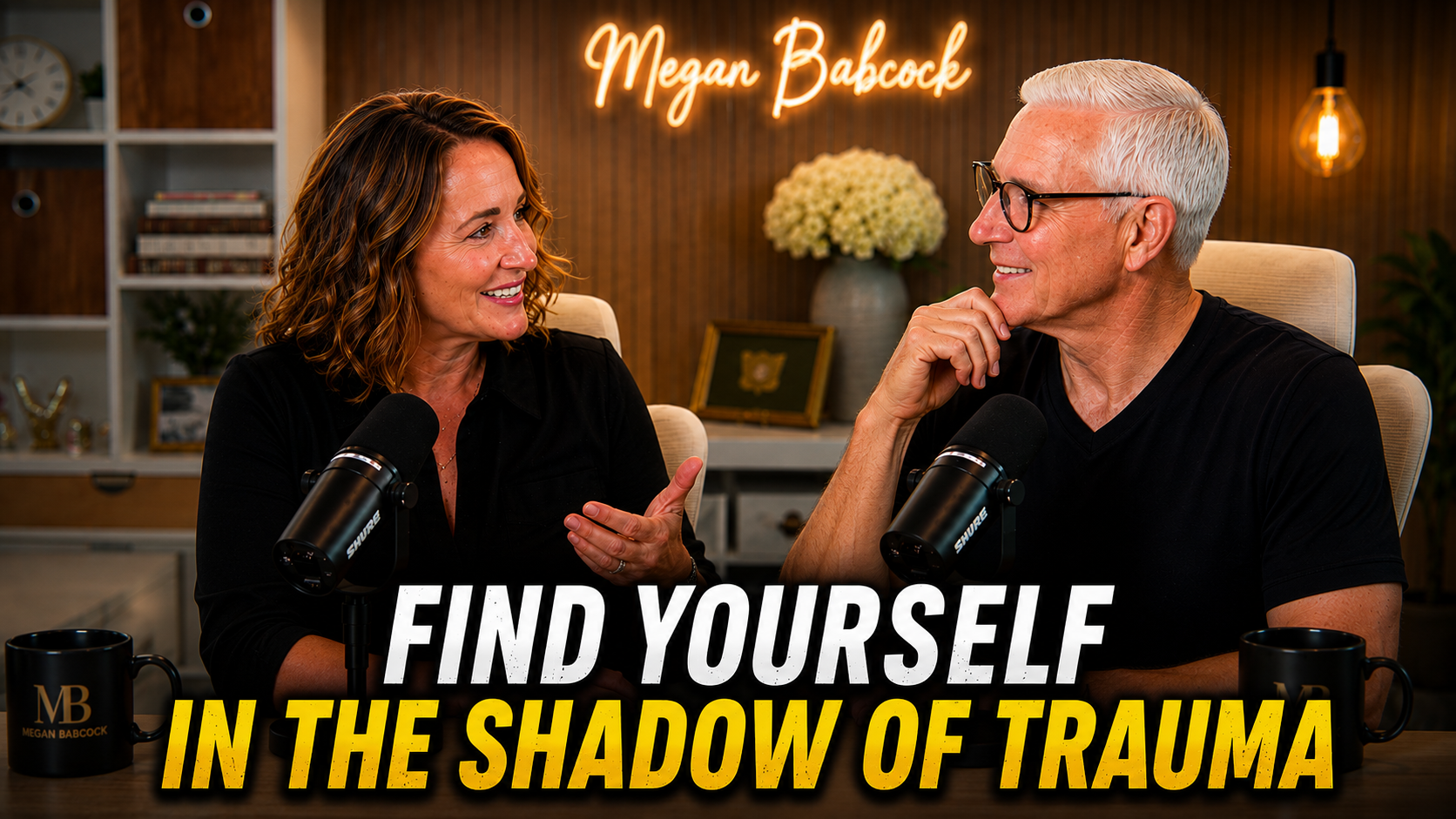
Listen to the Podcast
This article was inspired by our two-part conversation with author Mike Dyson, where we discuss childhood trauma, emotional healing, grief, suffering, resilience, faith, and discovering hope through life's unexpected challenges.
🎧 Listen to Part 1: Healing from Childhood Trauma and How it Affects Relationships
🎧 Listen to Part 2: Why does God allow Suffering? Finding Hope Through Grief, Illness & Trauma
About It's Your Story to Tell
It's Your Story to Tell is a nonprofit organization and podcast dedicated to helping individuals heal from trauma, strengthen emotional resilience, build healthier relationships, and discover hope through faith, neuroscience, coaching, and authentic stories of transformation.
Whether you're looking for coaching, workshops, courses, Bible studies, or free resources, our mission is to help you move from surviving to thriving—because healing is possible, and your story matters.

View The Entire Collection
See all our blog posts to discover valuable insights and tools for navigating trauma and healing with guidance and support.